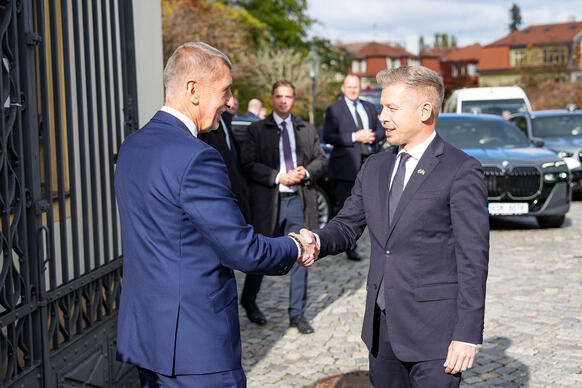
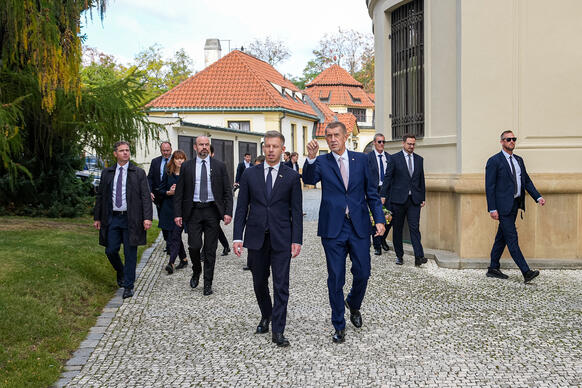
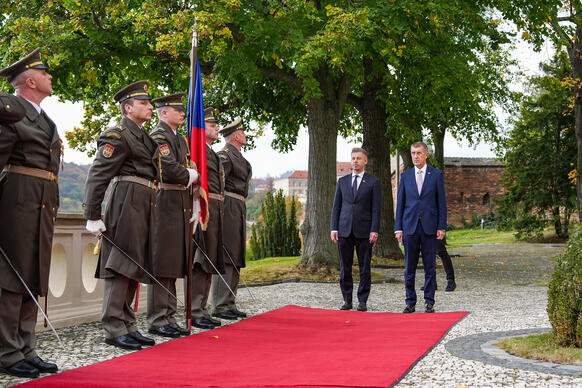
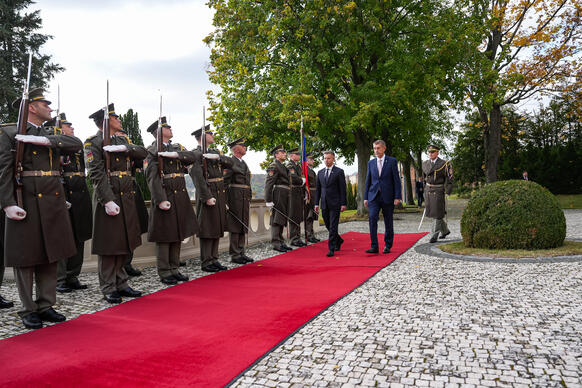
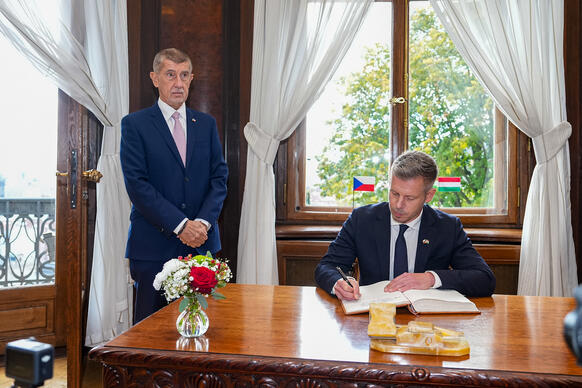
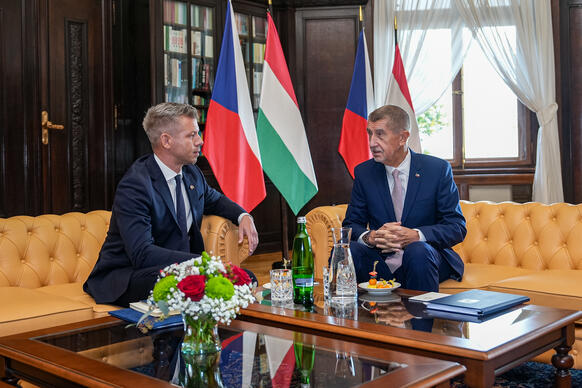
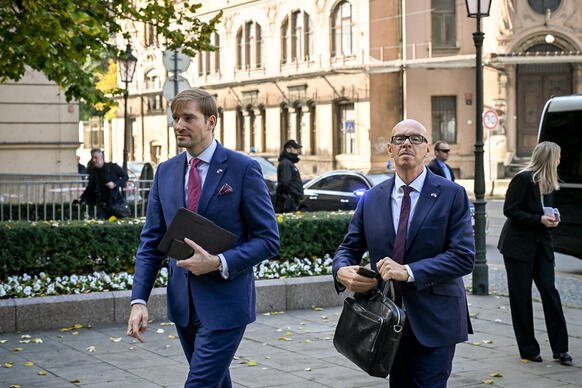
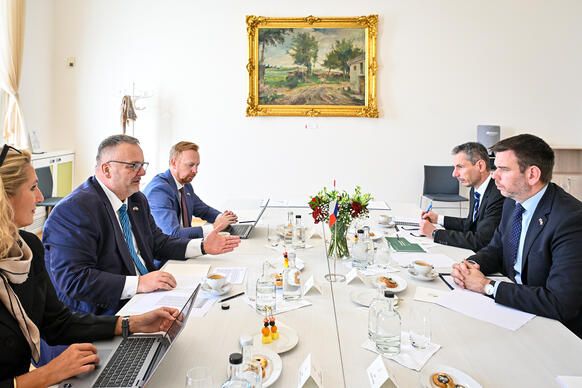
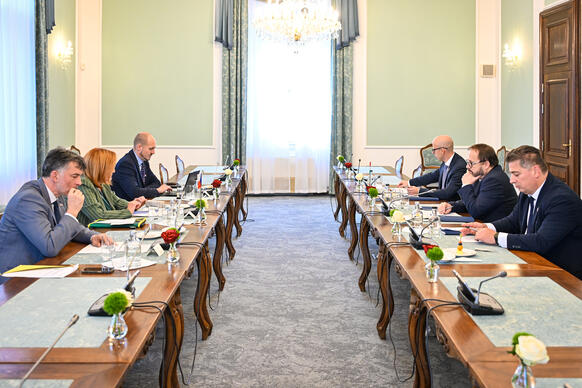
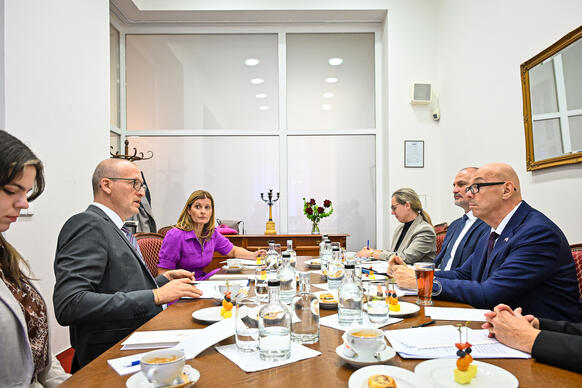
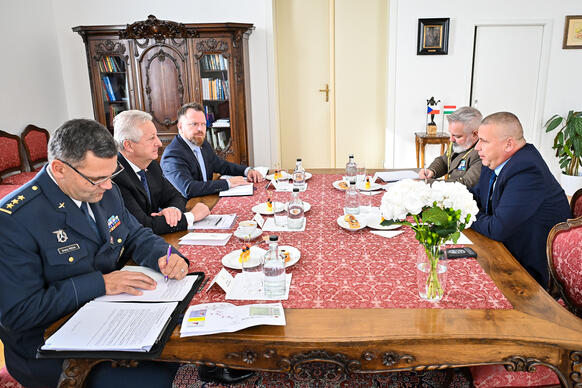
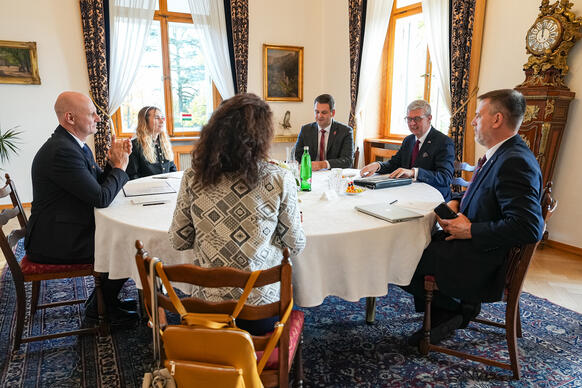
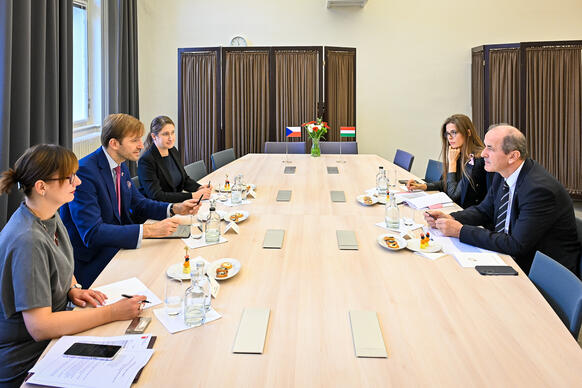
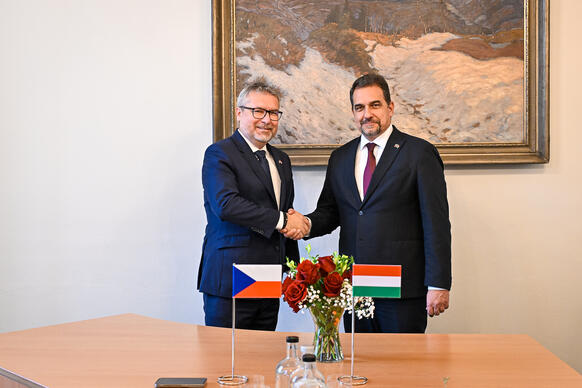
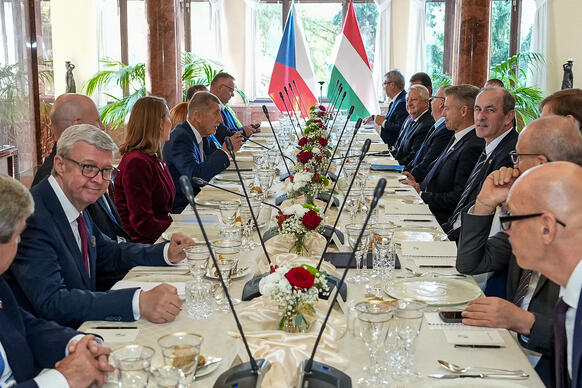
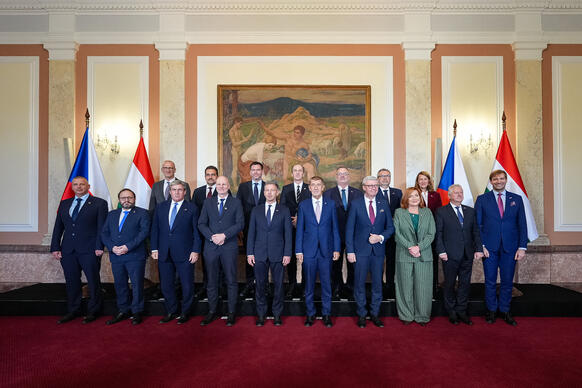
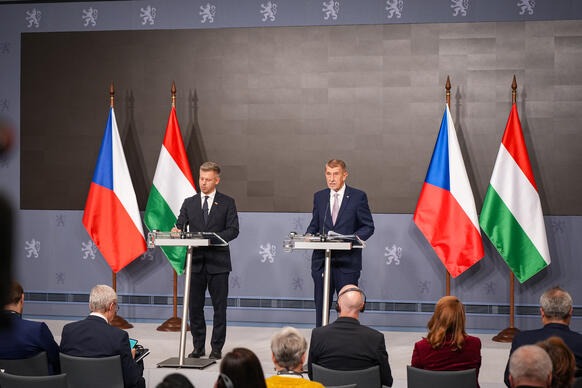
The first joint meeting of the governments of the Czech Republic and Hungary took place in Prague
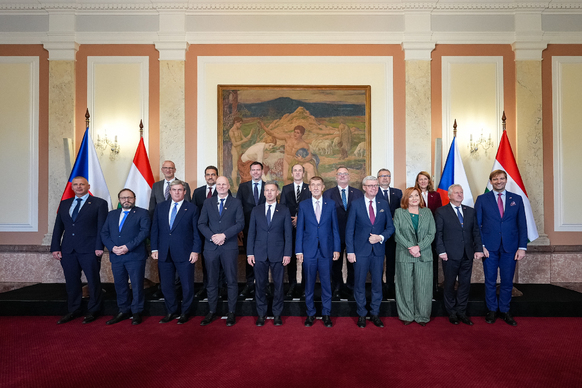
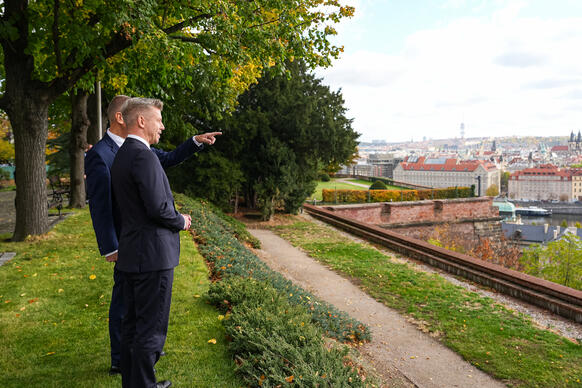
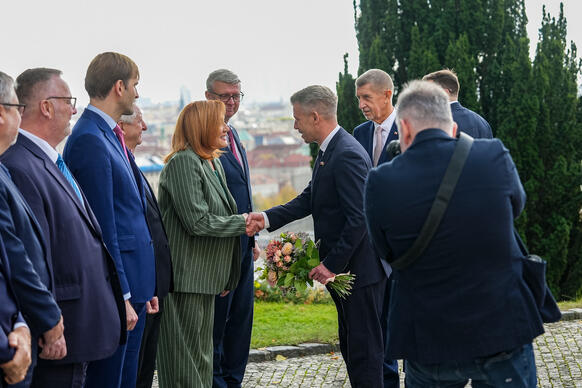
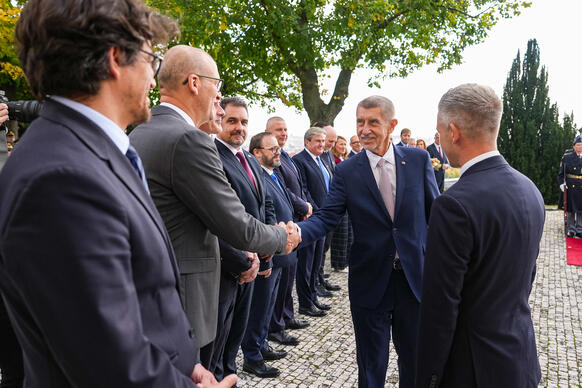
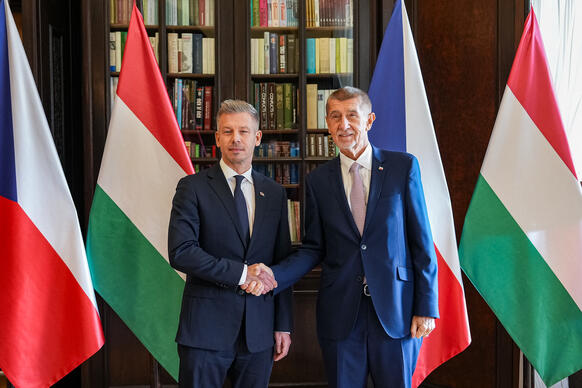
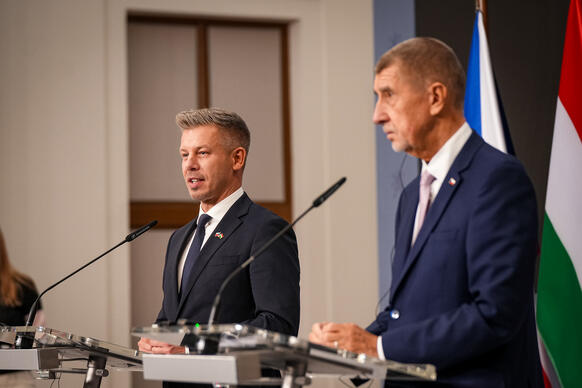
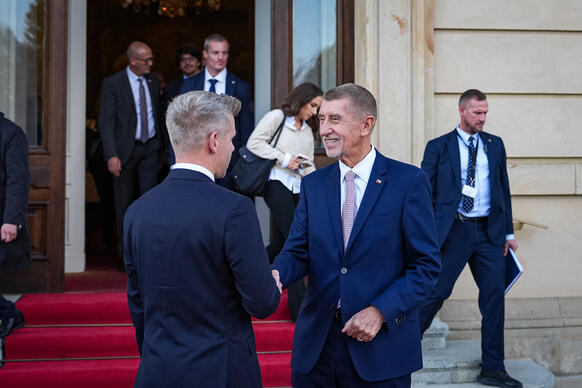
The first Czech-Hungarian intergovernmental consultations took place in Prague on Thursday 29 October 2026, attended by the Prime Minister of the Czech Republic, Andrej Babiš, and the Prime Minister of Hungary, Péter Magyar. The first-ever joint meeting of the two countries’ governments confirmed the Czech Republic’s and Hungary’s interest in regular political dialogue and closer cooperation in key areas.
The prime ministers and individual members of the governments discussed current European and international issues, in particular the European Union’s competitiveness, energy security, migration, the future of the European budget and EU enlargement. Bilateral cooperation in the fields of the economy, transport, the defence industry, healthcare, science, research, innovation and digitalisation also formed a significant part of the programme.
The transport ministers of the Czech Republic and Hungary signed a memorandum of cooperation on transport as part of intergovernmental consultations. “It is a specific framework for closer cooperation between the Czech Republic and Hungary in rail and road transport,” said Prime Minister Andrej Babiš. “High-speed rail lines are a major common theme. We want to work together on planning, funding and constructing those lines, and to share our experience gained from specific projects. We welcome closer Czech-Hungarian cooperation on the development of the Prague–Brno–Bratislava–Budapest–Győr route and want this corridor to become the backbone of the future high-speed rail network of the V4 countries,” he stated.
The memorandum provides for the possibility of coordinated action by the V4 countries in securing funding for high-speed rail under the European CEF instrument, but also covers cooperation on motorway construction, toll collection, PPP projects and the promotion of modern transport technologies.
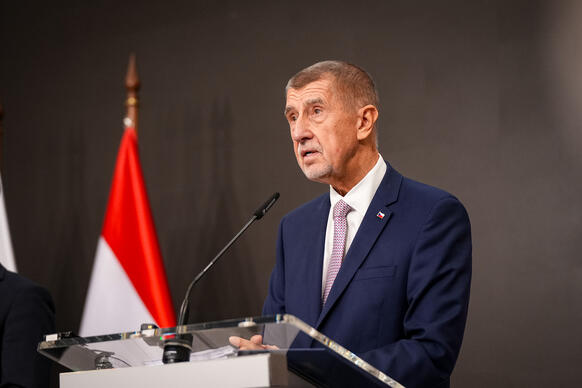
Prime Minister Andrej Babiš described the first joint intergovernmental consultations as a significant milestone in Czech-Hungarian relations, confirming both countries’ interest in regular dialogue. He also emphasised that the talks had resulted in a number of specific bilateral ministerial meetings focusing on areas with potential for further development of mutual cooperation.
"This is an important moment for our relations. It confirms our desire to talk to one another regularly. We also agreed that a similar meeting would take place in Budapest. We want to speak openly with one another and address specific issues that affect our citizens, our businesses and the future of our countries,” said the Czech Prime Minister. “Today’s meeting was very productive and focused. We discussed a wide array of current bilateral and European issues, and it became clear that our views coincide on many important matters and that we share common interests. That is precisely why it is important for us to join forces and work together to promote our priorities, not only at European level,” stated Prime Minister Babiš.
Both sides agreed on the need to strengthen regional cooperation in Central Europe and to develop specific joint projects in the fields of transport, energy and defence. The Czech Republic also reaffirmed its interest in actively developing cooperation within the V4 and V4+ frameworks and building on this during its presidency of the Visegrád Group in 2027.
“I am convinced that the countries of Central Europe are much stronger when they talk to one another and seek common solutions. That is why we welcome the revival of the V4 format and cooperation with other partners,” said Prime Minister Babiš. “In July 2027, the Czech Republic will take over the Visegrád Group presidency, and we intend to be active in this capacity. We will support V4 cooperation and develop the V4 format and other countries. We’ll be seeing each other again in November at the V4 summit, plus the Austrian Chancellor. We are both convinced that this region has the brightest future ahead of itself in the whole of Europe,” said the Czech Prime Minister.
Economic and energy cooperation was also a key topic of discussion. The prime ministers emphasised the need to maintain the competitiveness of European industry, ensure affordable energy prices and support nuclear energy as an important part of Europe’s energy security. The discussions also focused on cooperation in the defence industry, the protection of the European Union’s external borders and strengthening self-sufficiency in the production of medicines.