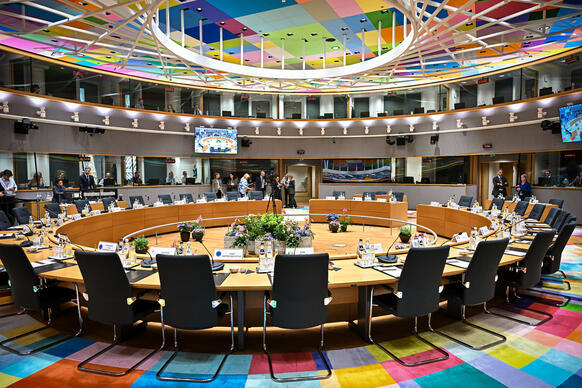
The European Council discussed the next EU budget, competitiveness, and the situation in the Middle East
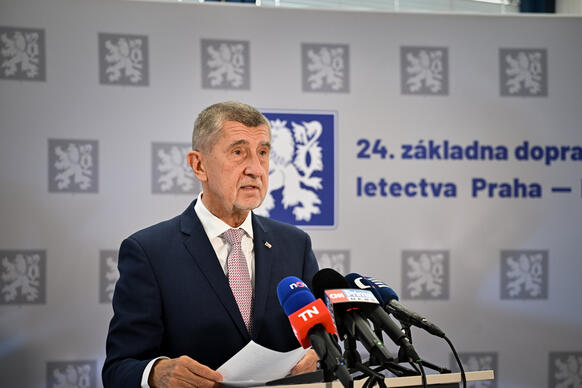
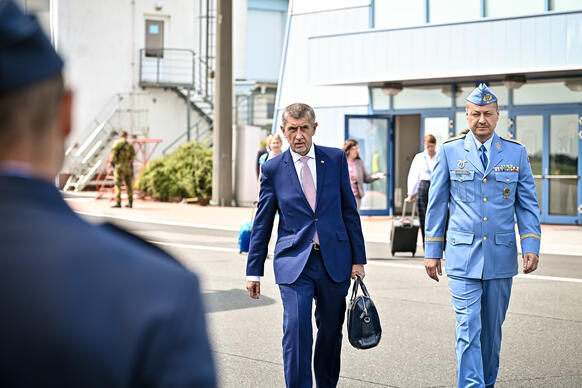
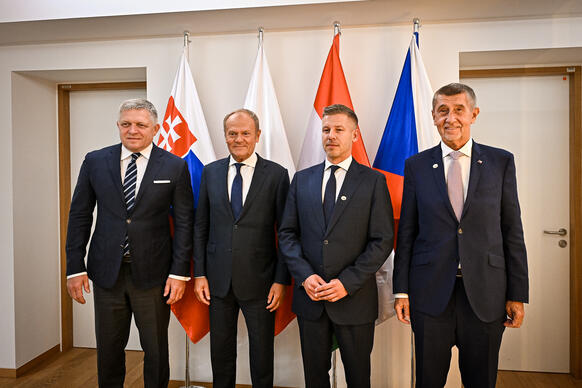
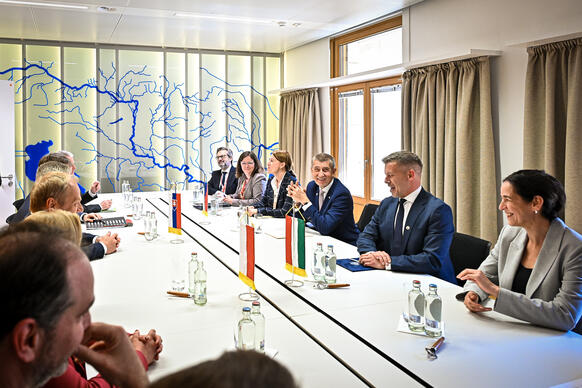
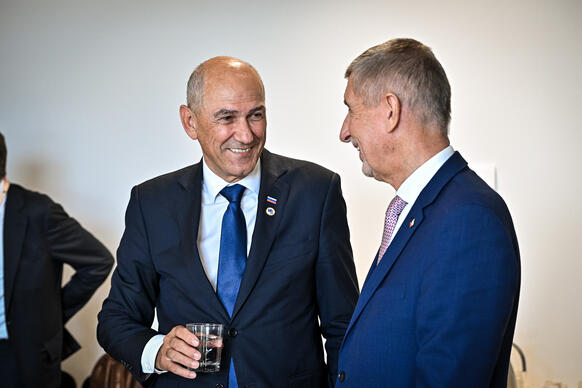
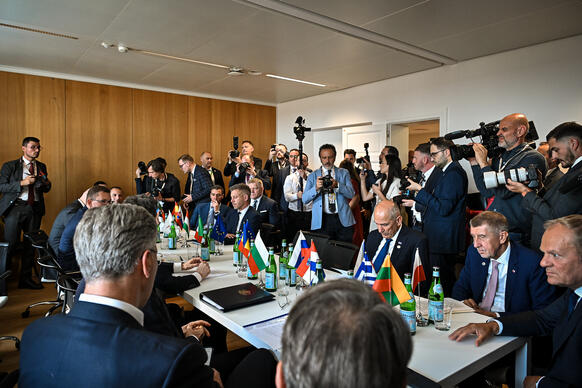
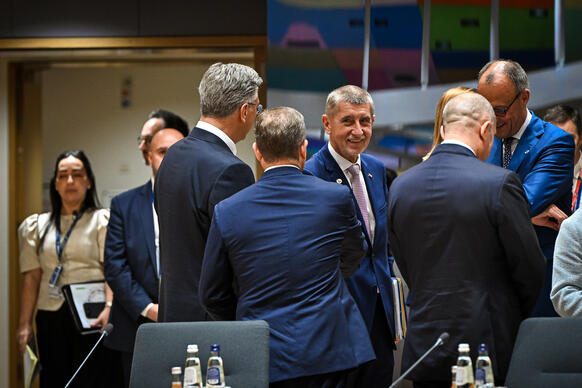
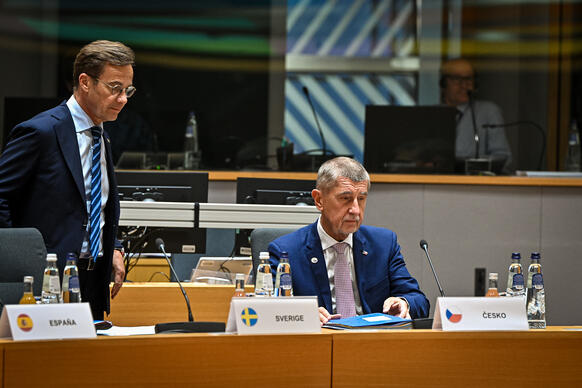
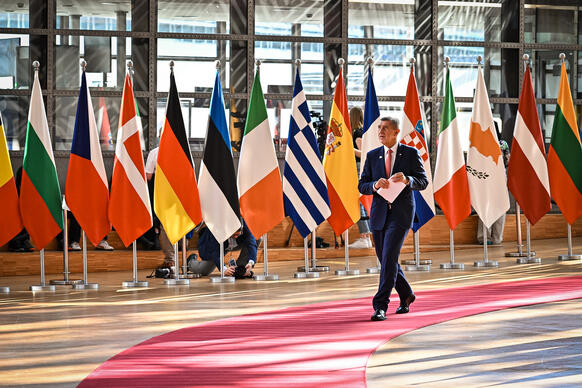
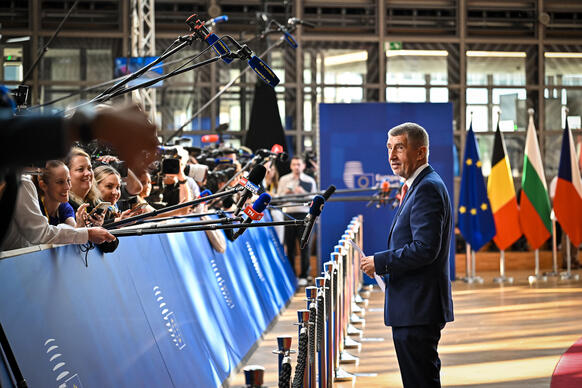
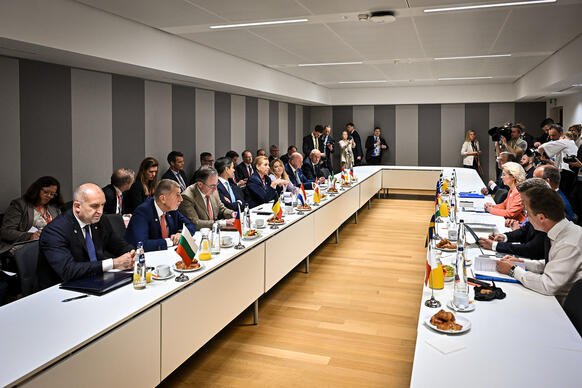
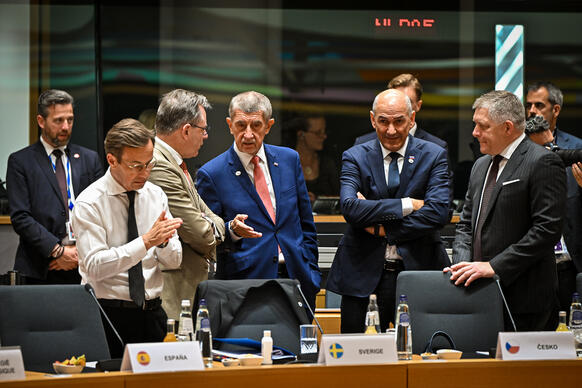
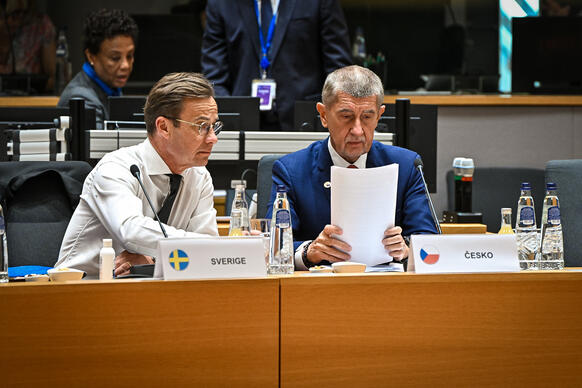
On 18 and 19 June 2026, the Prime Minister of the Czech Republic, Andrej Babiš, attended a meeting of the European Council in Brussels. The leaders of EU member states negotiated strengthening European competitiveness and energy prices, the long-term EU budget for the years 2028 to 2034, continued support for Ukraine, the situation in the Middle East, and the implementation of the EU drugs strategy. Before the start of the summit, the prime ministers of the Visegrád Group countries met briefly. The Prime Minister attended a meeting of leaders of countries that share a similar view of the need to tighten migration policy, as well as a meeting of the coalition of 16 countries "Friends of Cohesion".
The leaders of EU member states focused their discussions on bolstering European competitiveness, which has been severely undermined by high energy prices. "The fastest way to help not only Czech but also European industry is to change the system of ETS emission allowances. The net impact of the allowances on our industry is negative; it is CZK - 55 billion per year. We see what is happening in Germany, where the automotive industry is struggling. We are pleased that we managed to achieve partial successes and the Commission will proceed to a revision of the ETS system," stated the Prime Minister. The European Commission will present a specific proposal for the revision of the ETS emissions trading system by mid-July 2026.
An important topic of the meeting was the Multiannual Financial Framework of the EU for the years 2028 to 2034. The Prime Minister stressed that he wants to secure more funds for the Czech Republic as part of the negotiations on the future budget. "During the Cypriot presidency, we obtained an amount of EUR 1.5 billion more under the reallocation of funds, but of course we are not satisfied with that and we will continue to negotiate and persuade to get more money. The main talks will be held in mid-November," added the Prime Minister of the Czech Republic.
On Friday, the Prime Minister attended a meeting of leaders of countries that share a similar view on tightening migration policy. "We reject the approved migration pact because it is not feasible. The problem is that 800,000 migrants are still entering Europe illegally, even though the influx is smaller than before. The repatriation of irregular migrants is proving difficult. We need to deal with this outside Europe. “We must continue to press for rigorous border protection and better cooperation with third countries, into which we must be able to swiftly deport all illegal migrants who are not entitled to asylum,” said the Prime Minister.
The European Council has reaffirmed its support for Ukraine’s independence, sovereignty and territorial integrity. The European Union will continue, in cooperation with like-minded partners and allies, to provide Ukraine and its people with comprehensive political, financial, economic, humanitarian, military and diplomatic support. The Council also agreed to extend the anti-Russian sanctions for a further 12 months.