The European Council discussed high energy prices, the EU’s future multiannual budget and trade relations with China
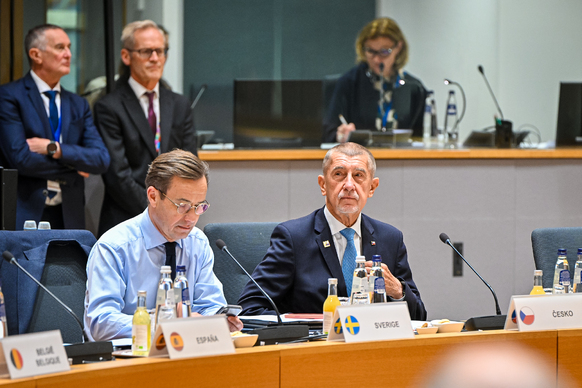
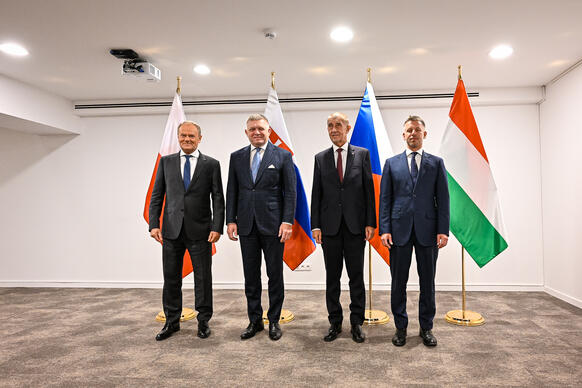
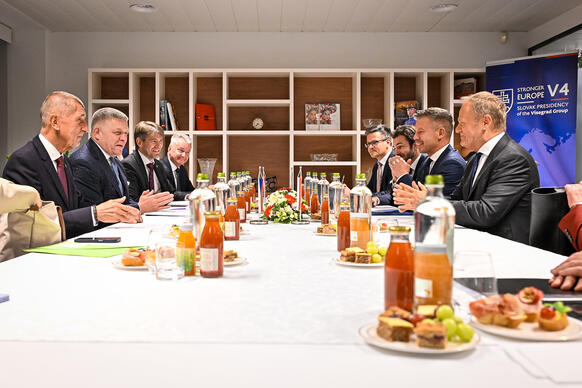
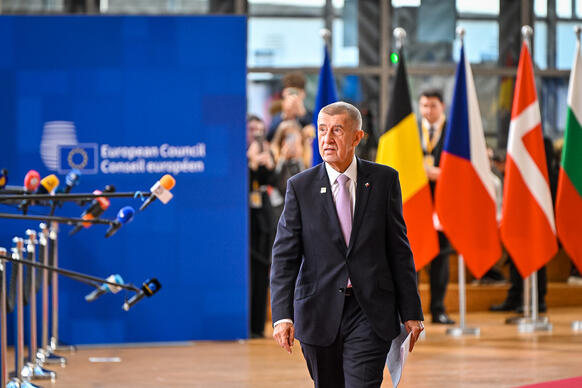
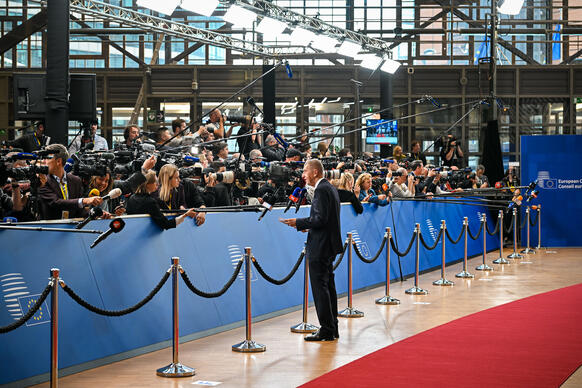
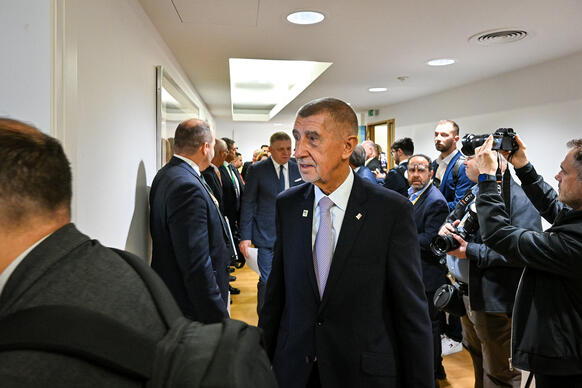
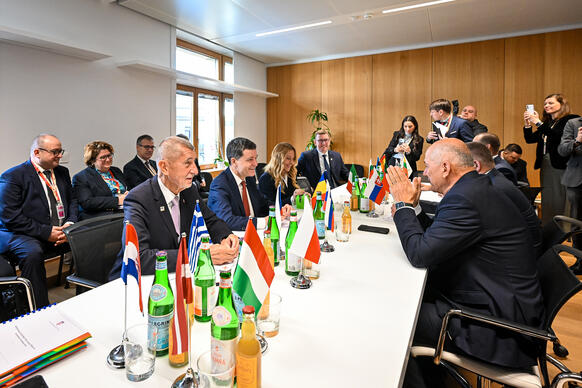
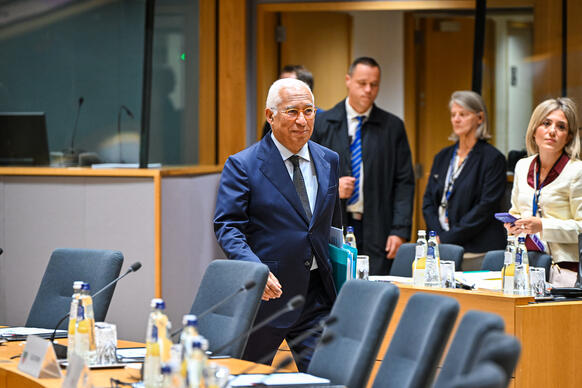
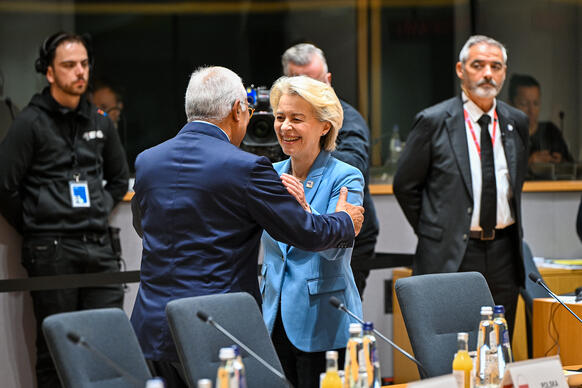
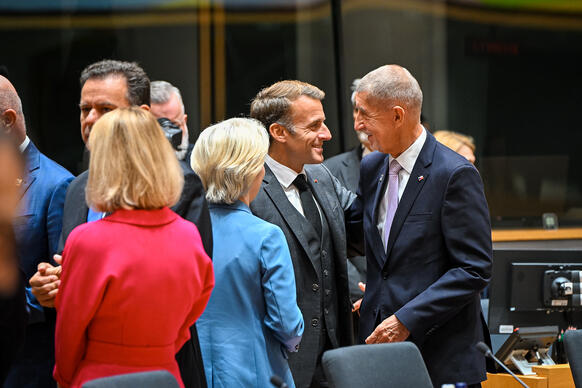
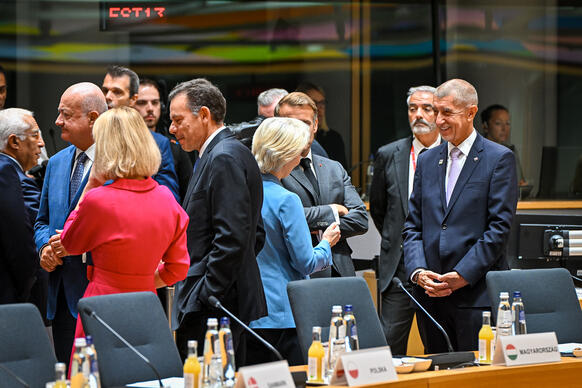
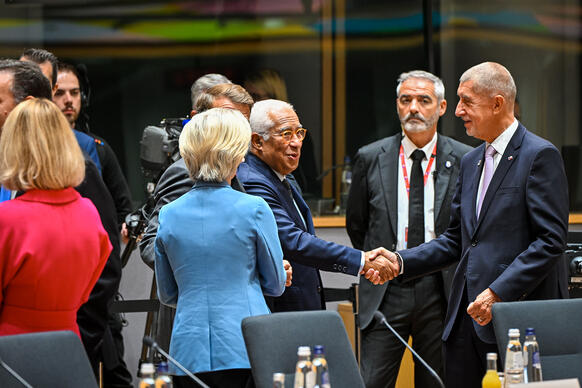
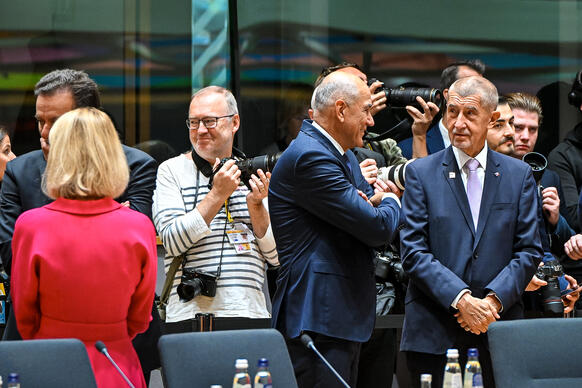
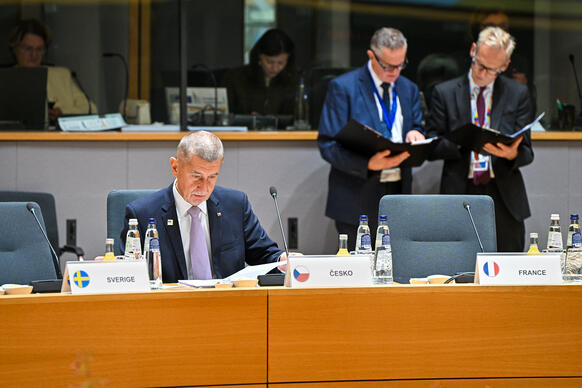
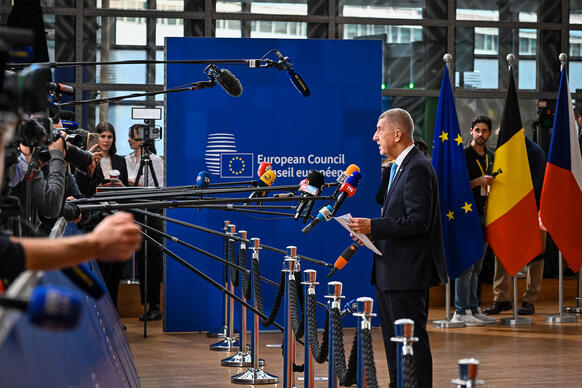
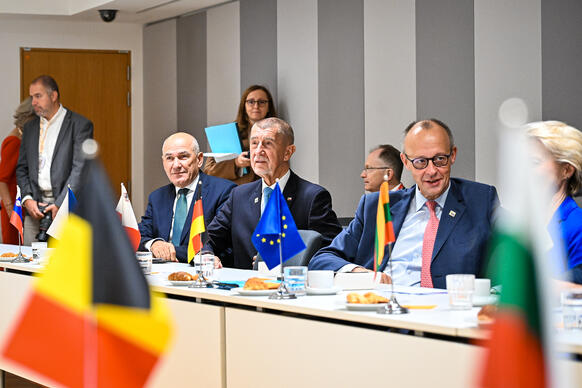
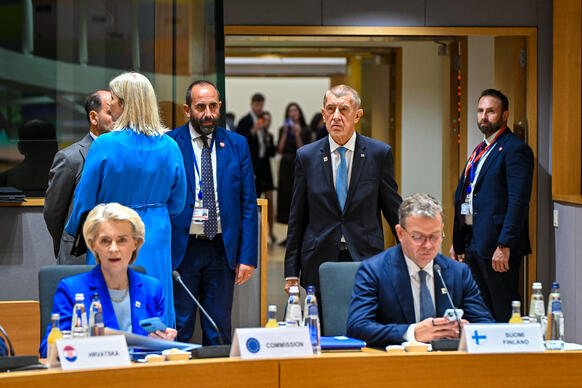
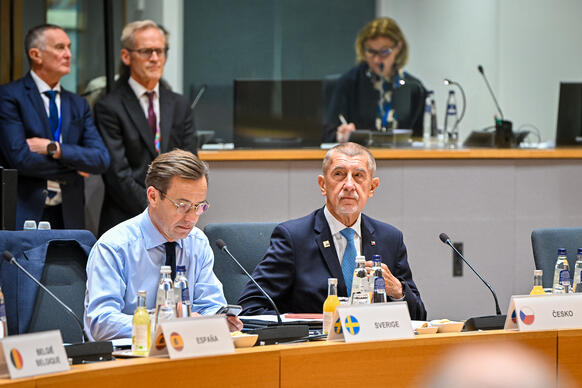
Prime Minister Andrej Babiš attended the European Council meeting in Brussels on 15 and 16 October 2026. European leaders discussed energy prices, the EU’s next multiannual financial framework for the period 2028–2034, migration, trade relations with China and the situation in Ukraine. The Czech Republic, together with other Member States, pushed through a commitment into the Council’s conclusions for the European Commission to reassess the impact of the ETS2 emissions trading scheme and to propose measures to tackle high energy prices. Still before the summit began, the Czech Prime Minister attended a meeting of the Patriots for Europe parliamentary group and a coordination meeting with the prime ministers of the V4 countries. He also held talks with Maroš Šefčovič, the European Commissioner for Trade.
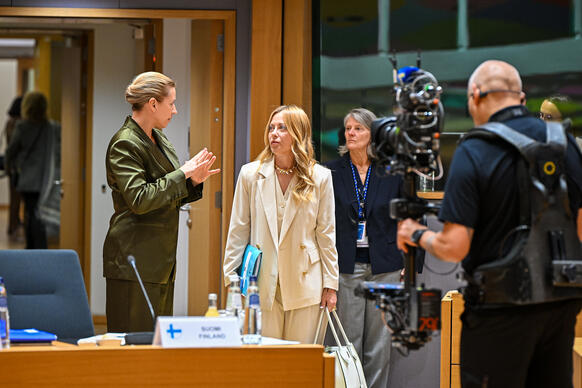
High energy prices were the key topic at the European Council. Prime Minister Andrej Babiš and Italian Prime Minister Giorgia Meloni highlighted the devastating impact of the ETS on European industry. “It was a very challenging discussion. I reiterated that the ETS1 emissions trading scheme is destroying European industry. The forthcoming ETS2 will lead to a further reduction in refinery capacity, as well as an increase in fuel prices and heating costs. One success worth highlighting: at our initiative, the Commission yesterday proposed a one-year postponement of the methane regulation, as is also mentioned in the European Council’s conclusions. “If we didn’t push this through, it would have a negative impact, particularly on gas prices,” said the Prime Minister.
Together with other countries, the Czech Republic succeeded in getting the Council conclusions to call on the European Commission to reassess all the impacts of the ETS2 emissions trading system and to put forward measures to tackle high energy prices, recognising that the situation differs across Member States and that some face significantly higher prices than others. “The European institutions must now urgently seek ways to limit sharp fluctuations in the price of emission allowances by adjusting the market stability reserve. Such fluctuations create uncertainty for businesses, drive up energy prices and threaten European industry. The European Council also emphasised that a competitive European industry must be a priority and, as part of the ongoing review of the ETS1, called for every effort to be made to reduce carbon price volatility and its impact on electricity prices,” added the Prime Minister. For more information, see the conclusions of the summit .
Ahead of the summit, Prime Minister Babiš attended a meeting of leaders from the “Friends of Cohesion” coalition to discuss the future multiannual EU budget. In a joint statement, the leaders of 17 countries agreed on a number of priorities, which they had also advocated during the discussion involving all 27 Member States. “And the fact that the budget must be large enough to address all our shared priorities. We will fight to preserve the funding in the national envelopes and to secure realistic conditions for drawing on it. Member States’ contributions to the budget must also be fair. For the Czech Republic, a great deal of money is at stake: hundreds of billions for the 2028–2034 period. On the revenue side of the budget, contributions must reflect the economic development of individual states and be fair. We have serious reservations about the new own resources of the budget. We reject the idea that a share of the excise duty on tobacco—which forms part of the Czech budget’s revenue—should go to the European budget. And the same applies to the revenues from ETS1 emission allowances. That is unacceptable,” added Prime Minister Babiš, noting that talks would continue at an extraordinary summit on 26 November.
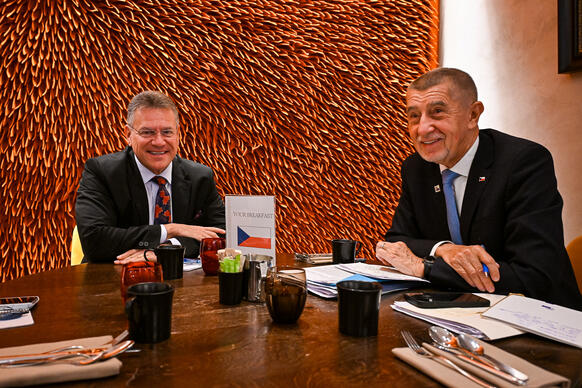
The leaders also discussed trade relations with China. On the sidelines of the summit, the Czech Prime Minister met with Maroš Šefčovič, the European Commissioner for Trade, with whom he discussed progress in negotiations with China on balancing trade deficits. On Friday morning, Andrej Babiš also took part in a meeting of a group of like-minded countries on migration, which is calling for a significant tightening of the migration policy.