Prime Minister Babiš following the European Council meeting: We have succeeded in pushing through a revision of the emission allowance system
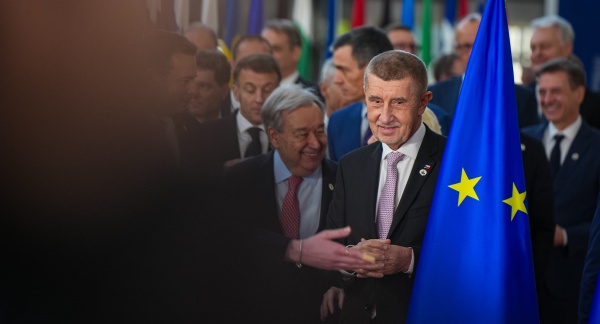
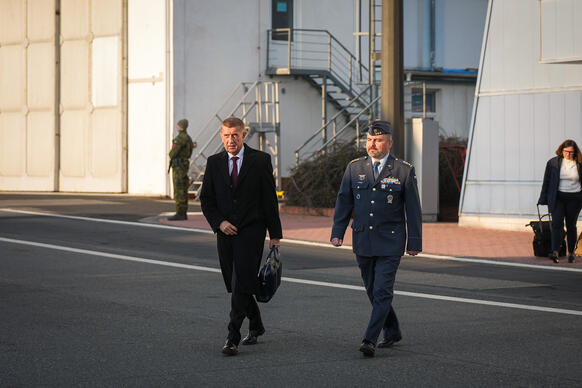
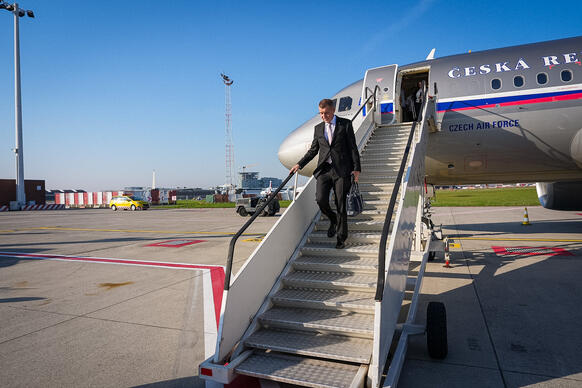
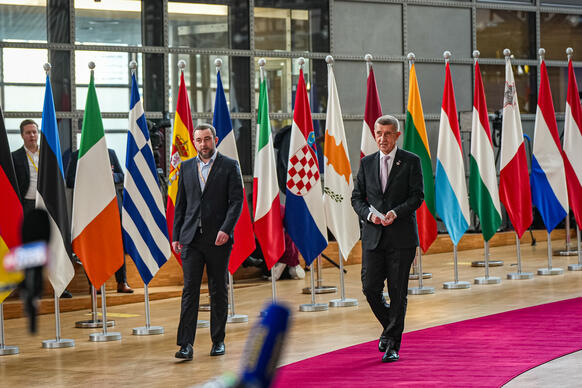
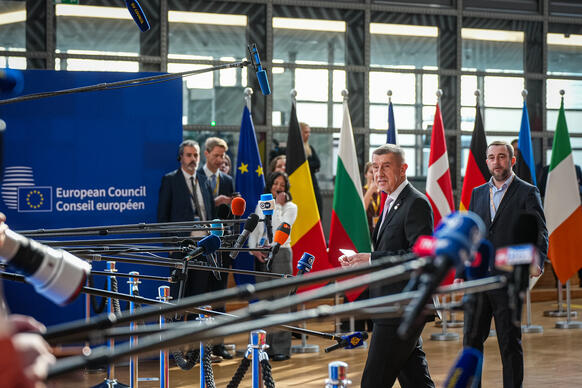
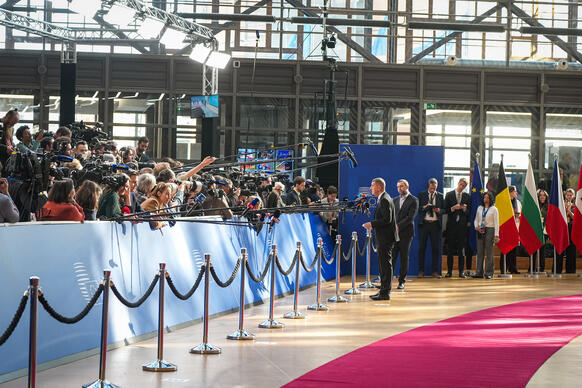
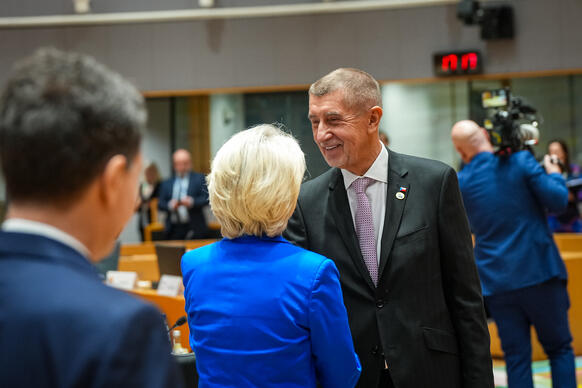
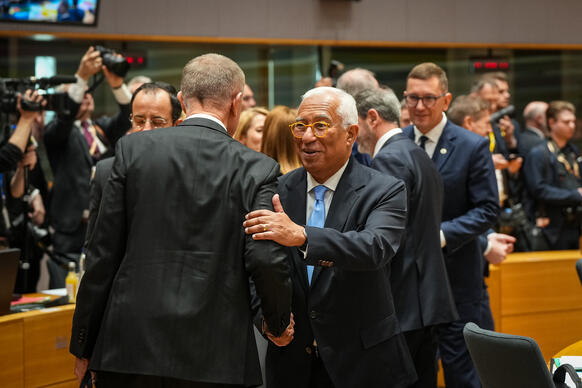
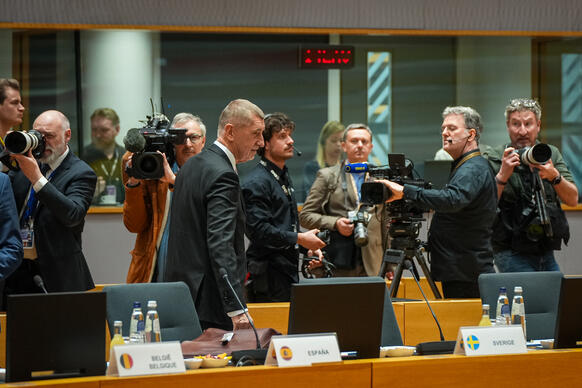
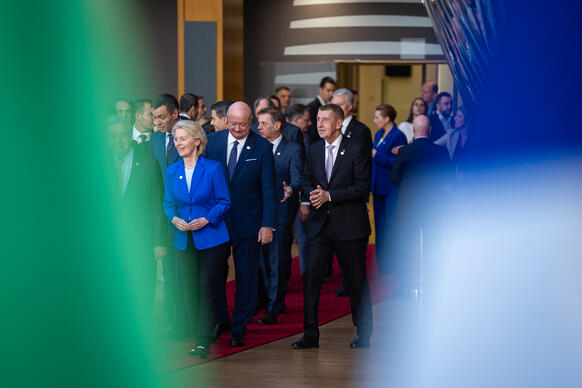
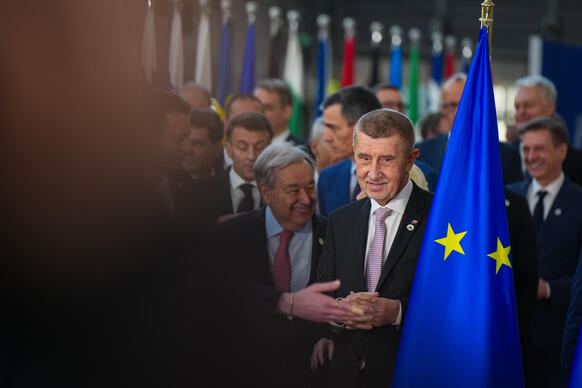
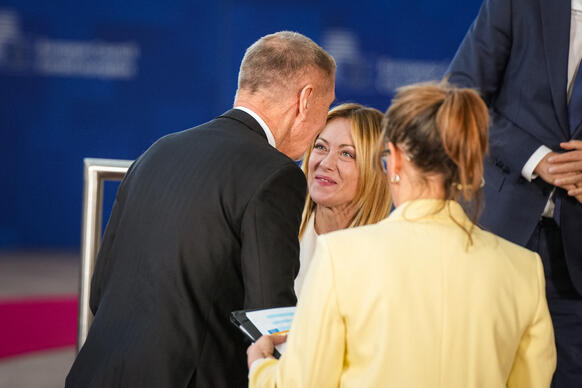
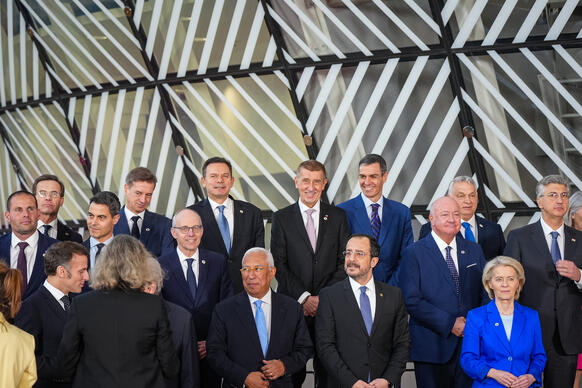
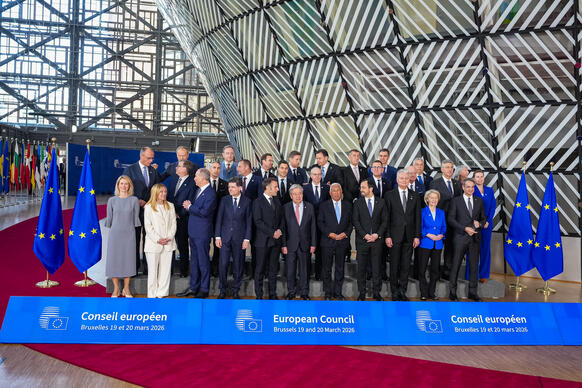
On Thursday, 19 March 2026, Prime Minister Andrej Babiš attended a meeting of the European Council in Brussels. EU leaders discussed in particular the strengthening of European competitiveness and high energy prices. The Prime Minister emphasised that the Czech Republic succeeded in pushing the need for a change to the ETS 1 emission allowance system into the summit conclusions—the European Commission will submit a proposal for a revision of the system by June. The situation in the Middle East was also an important topic. Before the start of the summit, the Prime Minister also took part in a meeting of leaders of like-minded countries on the topic of migration.
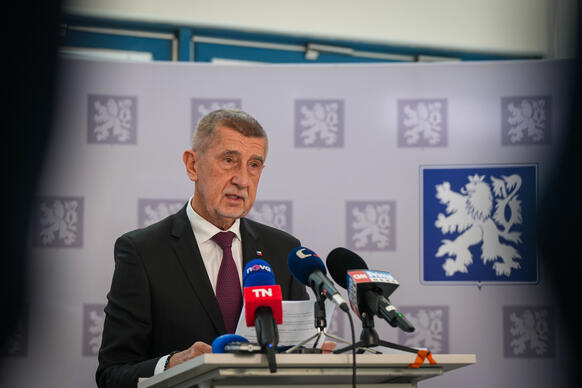
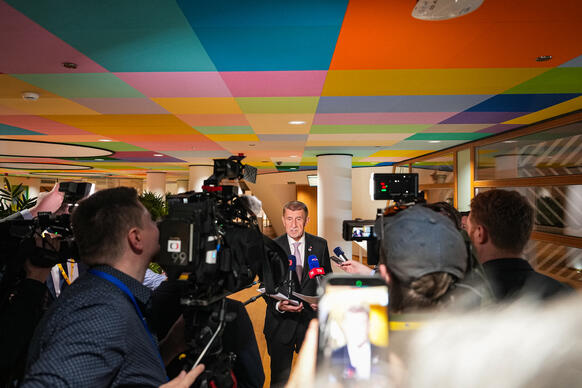
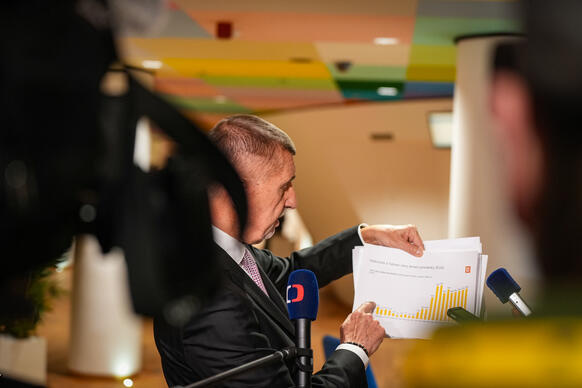
The European Council followed up on the informal meeting in Alden Biesen in February, discussing the strengthening of European competitiveness and high energy prices. "We succeeded in fulfilling our goal—we pushed into the conclusions of the meeting that the European Commission must prepare a specific proposal by June, before the next session of the European Council, on how to change the ETS 1 emission allowance system. At the same time, the system will now take into account the specifics of individual countries and energy-intensive industry. This is the result of our initiative, of our letters. Emission allowances play a fundamental role in the price of electricity; in the Czech Republic, the price of an emission allowance accounts for 21% of the electricity price," stated the Prime Minister.
Ahead of the summit, the Czech Republic, together with Austria, Croatia, Italy, and other states, joined a letter from a total of 10 countries to the Presidents of the European Council and the European Commission, in which the states demanded a revision of the existing ETS system, which is dysfunctional.
The European Council also discussed the situation in the Middle East. It strongly condemned Iran's military attacks against countries in the region and called for de-escalation and maximum restraint, for the protection of civilians and civilian infrastructure, and for the full respect of international law by all parties. In this context, it also called for a moratorium on attacks against energy and water facilities.
For more information see the conclusions of the meeting.
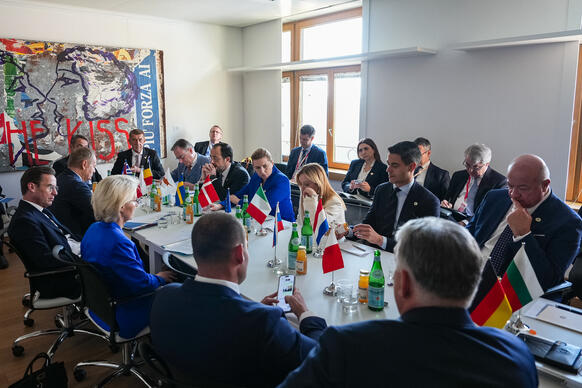
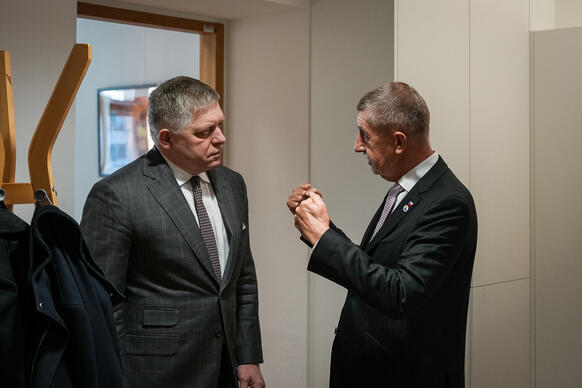
Before the start of the summit, the Prime Minister also took part in a meeting of leaders of countries that advocate for the tightening of the migration policy. "My position has long been the same and clear. We must protect the borders and deport all those who do not belong here. Even countries that were open to migration in 2015 are now openly saying that it was a mistake and must not happen again; we must not allow another migration crisis and we must defend European borders. In this group, we will continue to be active and will strive for the introduction of innovative solutions with the aim of stopping illegal migration before it reaches European borders," stated the Prime Minister.