Prime Minister Andrej Babiš holds key talks on EU priorities in Austria and Slovakia
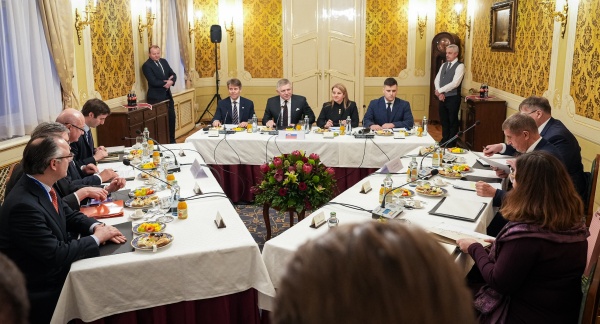
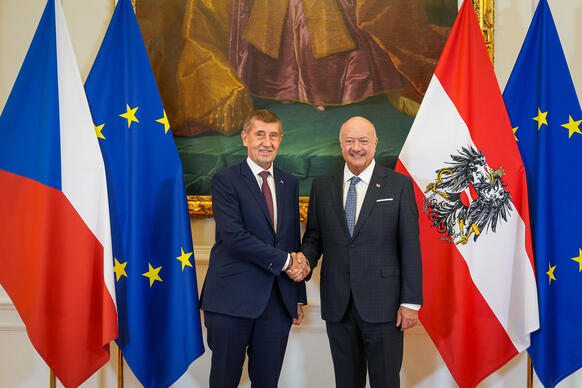
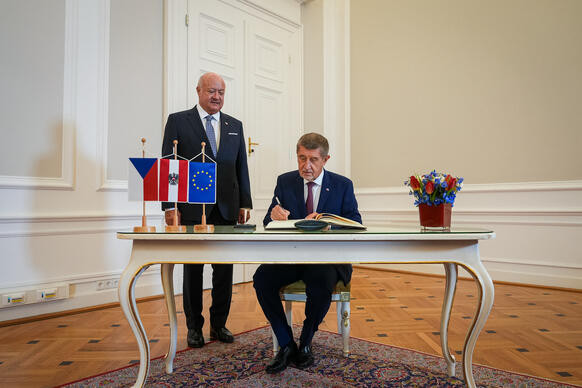
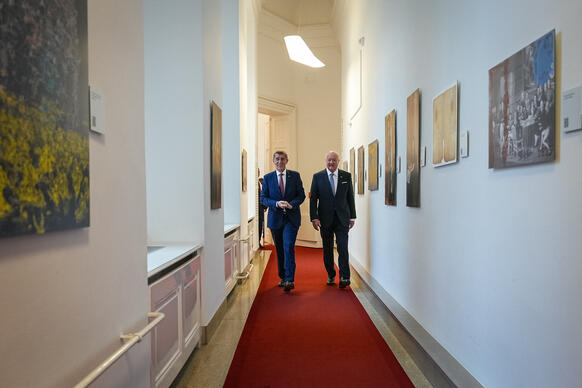
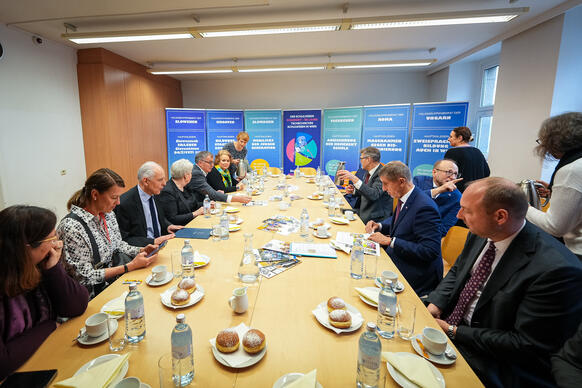
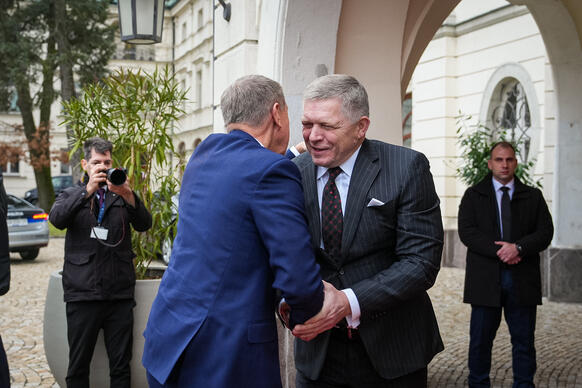
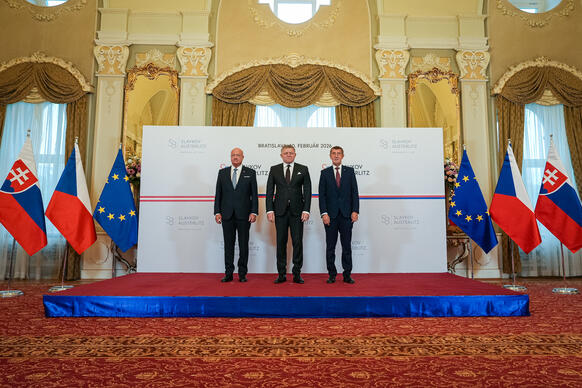
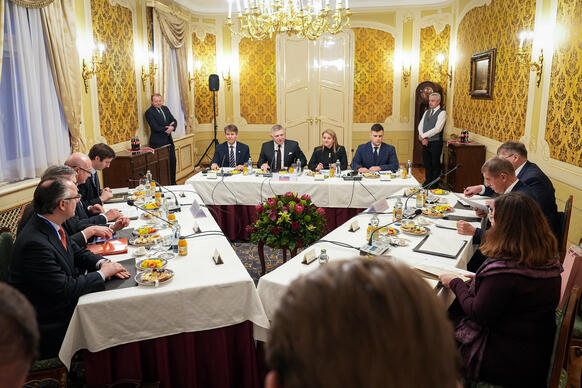
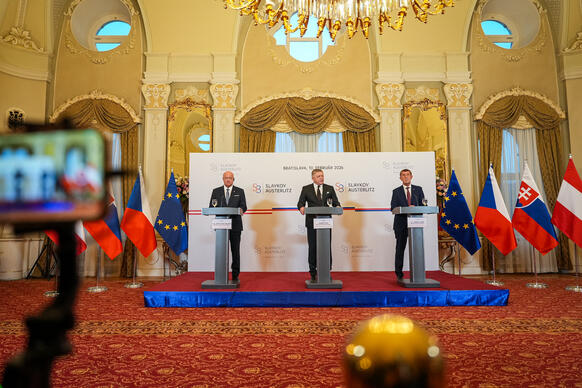
The Prime Minister of the Czech Republic, Andrej Babiš, has visited Austria for high-level talks in Vienna with Federal Chancellor Christian Stocker. The agenda focused on EU competitiveness, energy security, and a unified approach to tackling illegal migration. The Prime Minister’s programme also included a visit to the Czech Comenius School Association and St. Stephen's Cathedral. Following the Vienna engagements, the Czech Prime Minister travelled to Bratislava to attend a Slavkov format summit. The meeting brought together Prime Minister Andrej Babiš, Slovak Prime Minister Robert Fico, and Austrian Chancellor Christian Stocker.
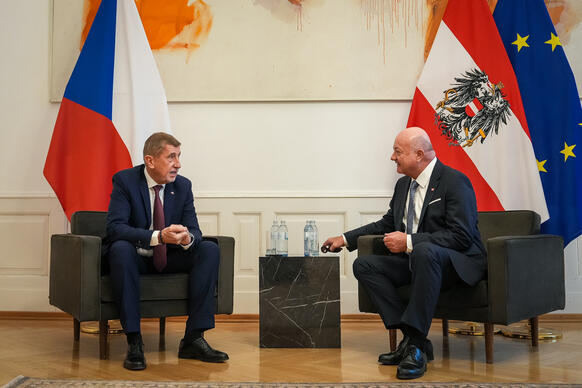
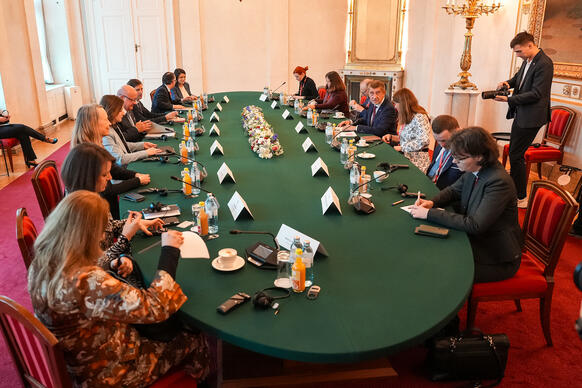
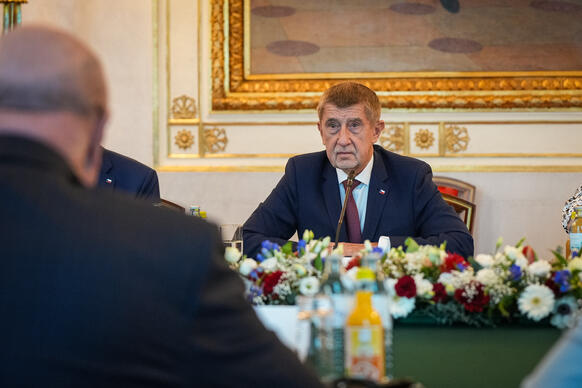
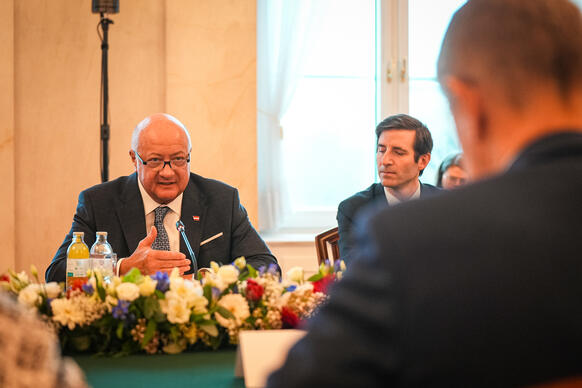
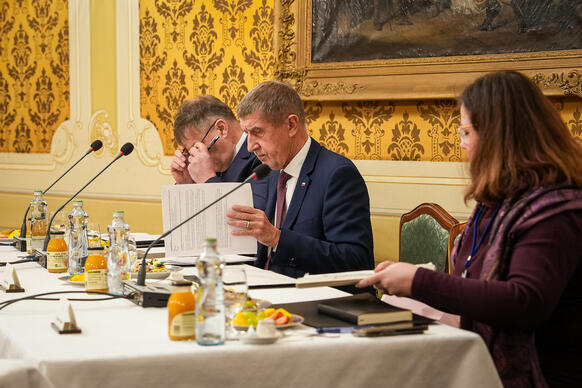
A central theme of the bilateral talks with the Austrian Chancellor was the strengthening of EU competitiveness. Both leaders agreed on the vital need to foster innovation and market integration to ensure the Union remains resilient in the face of global economic competition. During the session, both delegations praised the open dialogue and the long-standing, constructive nature of Czech‑Austrian cooperation. “I can confirm that we share a vast common ground regarding Europe, its future, and the Schengen Area. I am grateful to be here, as this week is of paramount importance for the future of our competitiveness,” said Prime Minister Andrej Babiš.
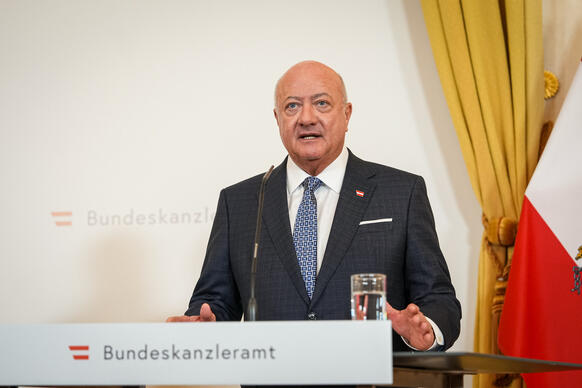
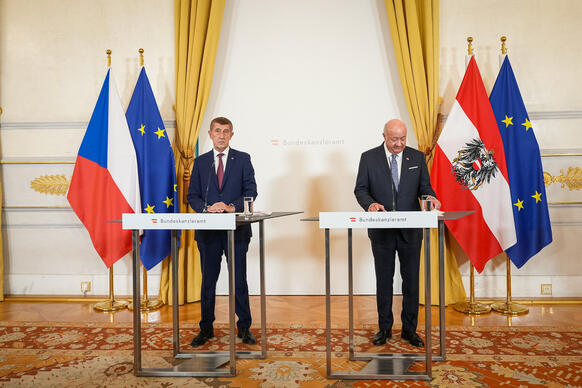
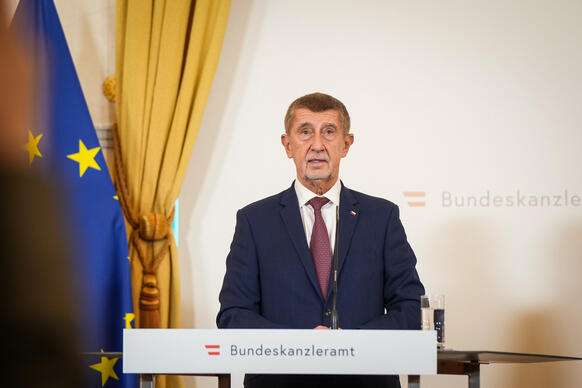
The leaders also addressed the fight against illegal migration, stressing the need for effective European solutions to dismantle people-smuggling networks and secure the EU’s external borders. The discussion also touched upon the expansion of the Schengen Area and the EU itself. “Europe has finally understood the need for a collective agreement on the return policy. The issue of Schengen expansion is inherently linked to this. I believe the Western Balkans should be part of our European Union and, naturally, of the Schengen Area. In this regard, our views are entirely aligned,” the Prime Minister told a press conference.
Another major topic of discussion was the development of cross-border infrastructure, which is vital for smoother trade, commuting, and tourism. Particular attention was paid to accelerating the construction of the D3 and D52 motorways, alongside preparations for a high-speed rail link "I have urged the Federal Chancellor to ensure that we finally complete our cross-border motorway links. On our part, the D3 motorway will reach the Austrian border as early as next year. Our government is continuing the work we began in 2014, when we agreed that the completion of the motorway network was a necessity," the Prime Minister noted.
Following the talks, Prime Minister Babiš emphasised that Austria remains one of the Czech Republic’s most significant long-term trading partners. Consequently, both governments intend to further support the integration of industry, investment, and cross-border projects.
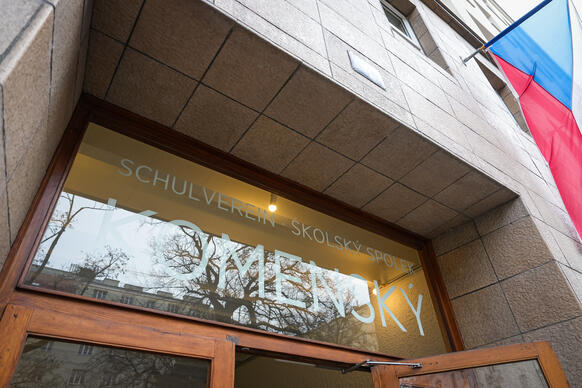
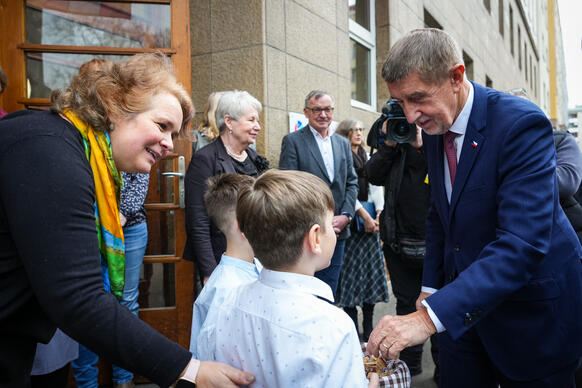
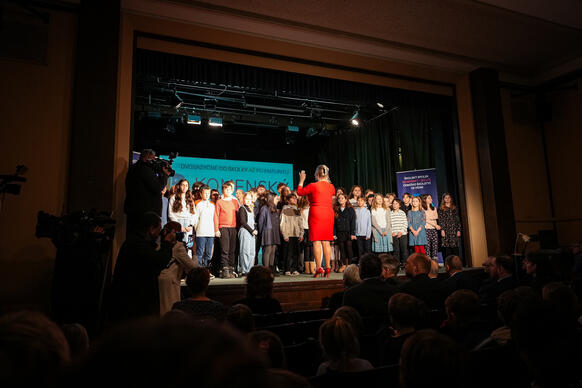
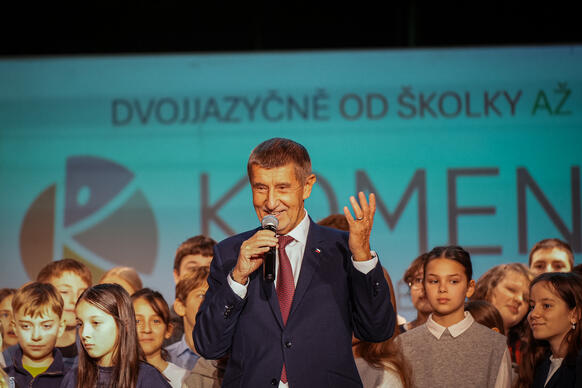
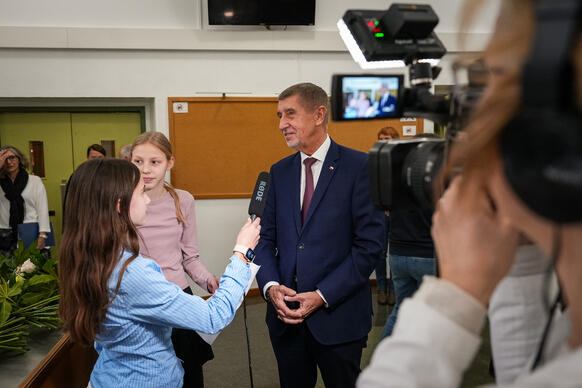
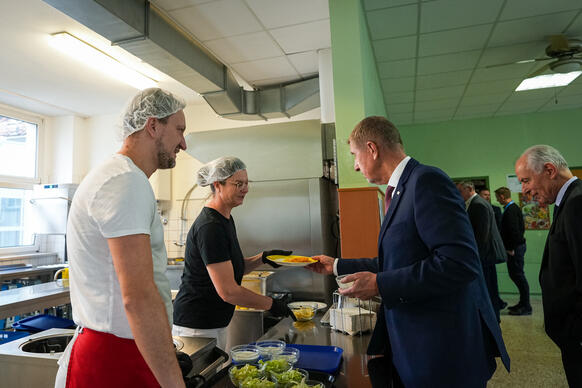
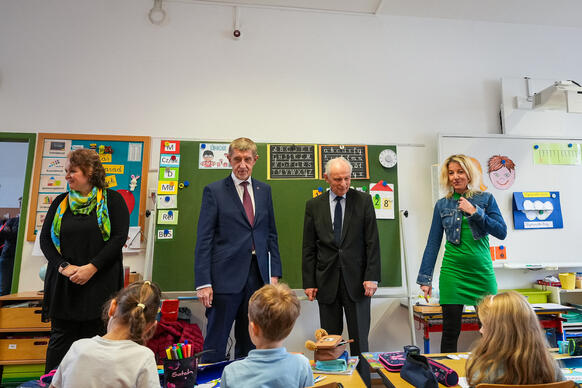
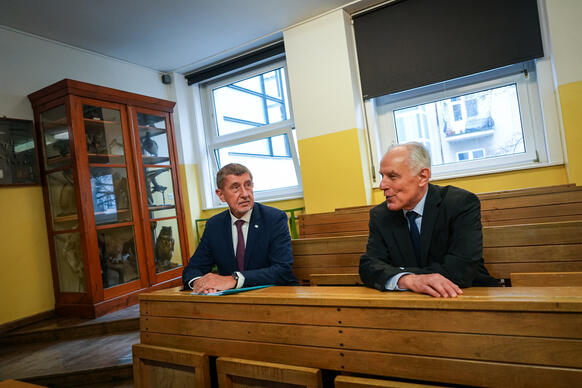
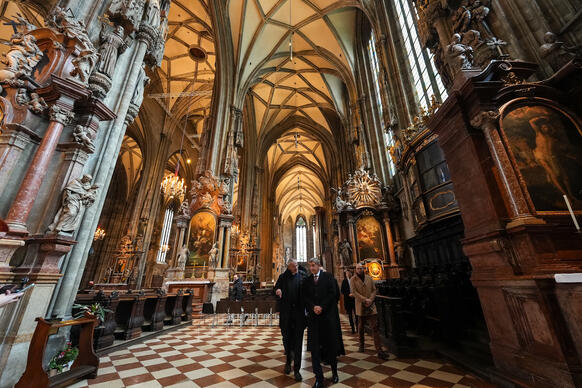
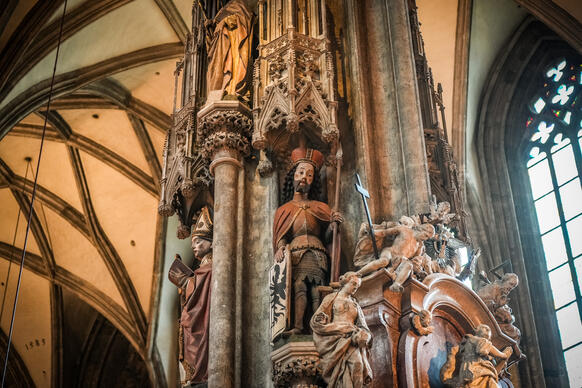
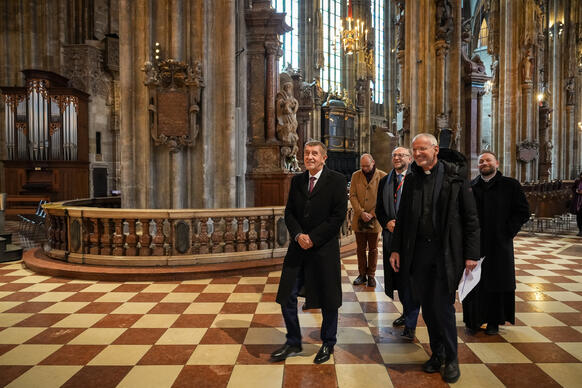
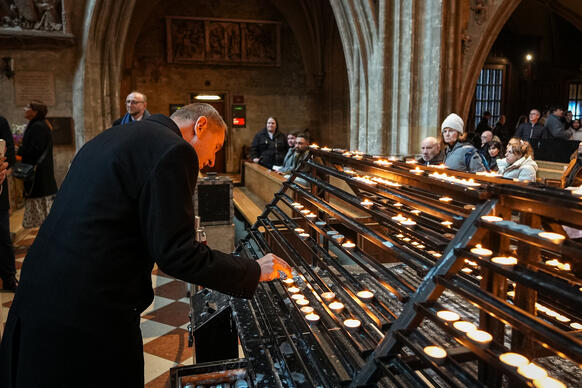
The visit also included a tour of the Czech Comenius School Association in Vienna, which has long contributed to the preservation of the Czech language and culture. The school provides bilingual education from nursery to secondary level. It has been operating in Vienna since 1872. During his time in the capital, the Prime Minister also visited St. Stephen's Cathedral to view Czech historical elements that underscore the deep-rooted ties between the two nations.
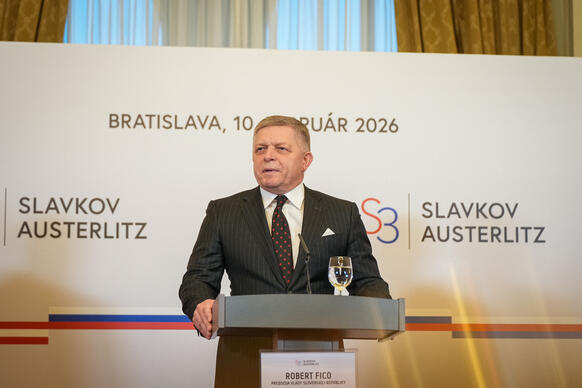
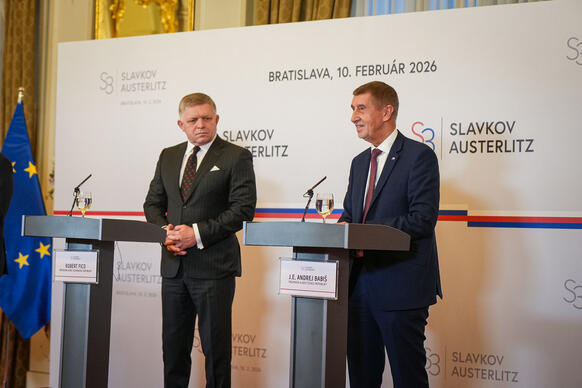
Upon concluding the programme in Austria, the Prime Minister proceeded to Slovakia for a Slavkov format meeting. The summit involved Prime Minister Babiš, Slovak Prime Minister Robert Fico, and Austrian Chancellor Christian Stocker.
The central themes included EU competitiveness, energy policy, and other pressing items on the European and regional agenda. The leaders agreed that bolstering EU competitiveness must be a fundamental priority. "European industry is facing high energy prices. We have concrete proposals on how to tackle the issue. I am discussing these issues intensively with many European leaders, and I welcome the opportunity to deliberate on them within this group with Slovakia and Austria," the Prime Minister said.
The leaders also turned their attention to industry, specifically energy-intensive sectors and the automotive industry. "Here, too, we have specific suggestions on how to relieve European manufacturers from the pressure of unrealistic requirements stemming from European legislation," the Prime Minister added.
The Slavkov format was established in 2015 as a cooperative platform for the Czech Republic, Slovakia, and Austria, aimed at coordinating positions on European issues and deepening regional ties. It is named after Slavkov u Brna, where the trilateral cooperation was formally inaugurated.
The Prime Minister will conclude his working visit at Bory Hospital in Bratislava, where he is due to review state-of-the-art healthcare operations and current patient care priorities.